CT094-3-3-WMSS · Chapter 06
Passive Wireless Discovery
Learning outcomes
- Explain how security information can be gathered by social engineering, phishing, and other techniques
- Define wardriving
- List the hardware and software used for wardriving
- Explain how a packet sniffer can be used in a WLAN
Topic structure
- General Information Gathering
- Wardriving
- Public Mapping Sites
- Wireless Packet Sniffers
Key terms
WadrivingPhishingSocial engineeringDumpster divingSNMP
General Information Gatheringslide 5
- Includes:
- Social engineering
- Phishing
- Improperly recycled equipment
- Search engine scanning
- Dumpster diving
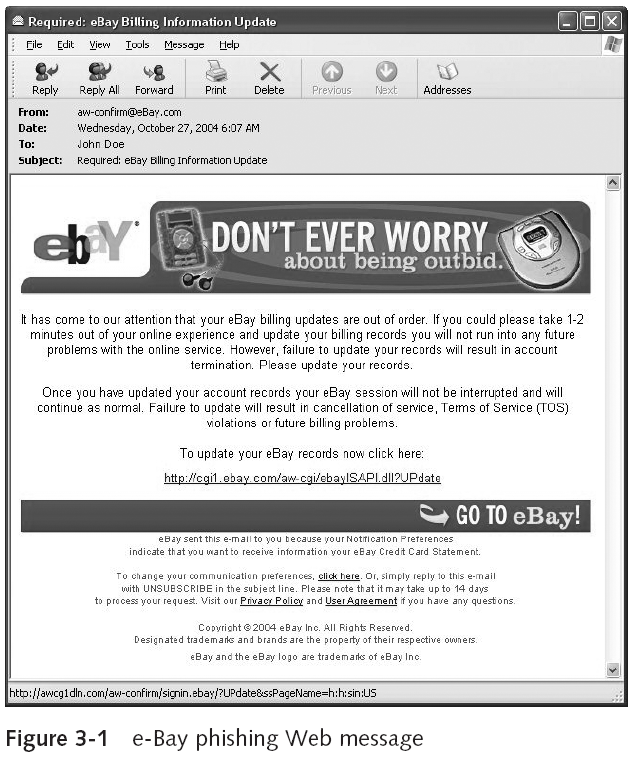
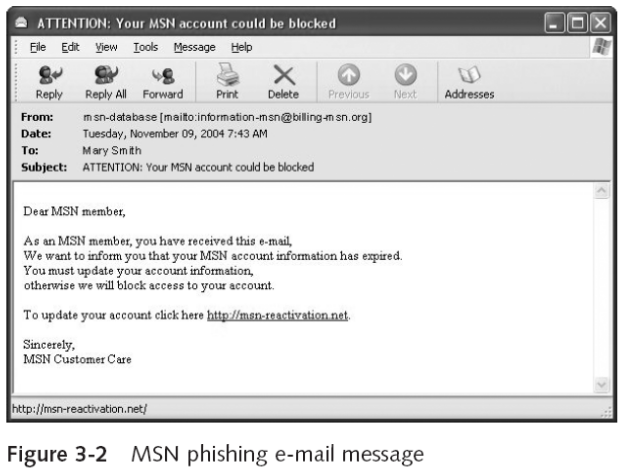
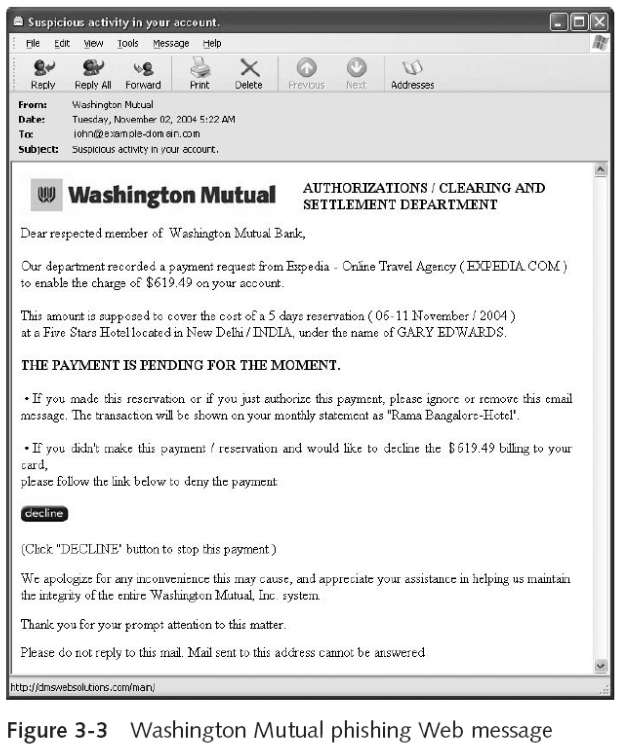
Phishingslides 7–12
- Electronic version of social engineering
- Involves sending an e-mail or displaying a Web announcement
- Falsely claims to be from a legitimate enterprise
- Attempt to trick the user into surrendering information
- Difficult to distinguish between legitimate and fraudulent messages and Web sites
- Variations on phishing attacks
- Spear phishing targets only specific users
- Pharming automatically redirects user to the fake site
- Google phishing involves phishers setting up their own search engines to direct traffic to illegitimate sites
- Ways to recognize phishing messages
- Deceptive Web links
- E-mails that look like Web sites
- Fake sender’s address
- Ways to recognize phishing messages
- Generic greeting
- Poor grammar, formatting, or misspellings
- Pop-up boxes and attachments
- Unsafe Web sites
- Urgent request
Improperly Recycled Equipmentslide 13
- Many organizations and individuals recycle older equipment
- By donating them or by selling them online
- Information that should have been deleted from the equipment often is still available
- With many operating systems, simply deleting a file does not necessarily make the information irretrievable
- Data can be retrieved by an attacker
Search Engine Scanningslides 14–15
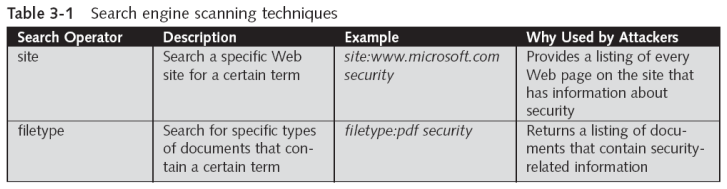
- Search engines are important tools for locating information on the Internet
- Search engines offer advanced search tools
- That can narrow criteria for more specific information
- Attackers can use search engines to scour the Internet for important attack information

Dumpster Divingslide 16
- Dumpsters can be a source of secure information
- Files, letters, memos, passwords, and similar sensitive data can be found in dumpsters
- Heightened emphasis on security today has resulted in sensitive documents being shredded
Wardrivingslide 17
- Scanning the radio frequency airwaves for a signal
- Can identify and map the location of a wireless network
What Is Wardriving?slides 18–19
- Wireless location mapping
- Used to refer to passive wireless discovery
- Process of finding a WLAN signal and recording information about it
- Used to refer to passive wireless discovery
- Technically involves using an automobile to search for wireless signals over a large area
- Warflying uses airplanes instead of automobiles
- Wardriving is in itself not an illegal activity
- Using that RF signal to connect to networks without the owner’s permission can be illegal
- Techniques used by wardrivers
- Driving at slower speeds
- Using surface streets
- Creating a plan
- Repeating over time
Wardriving Hardwareslides 20–37
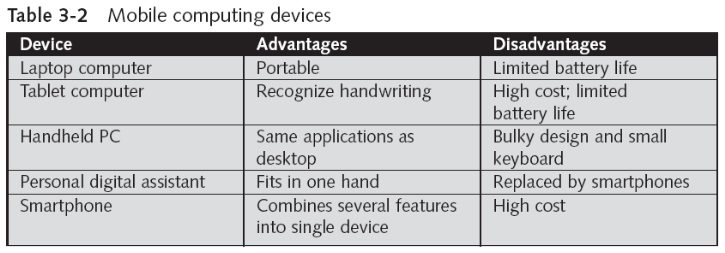
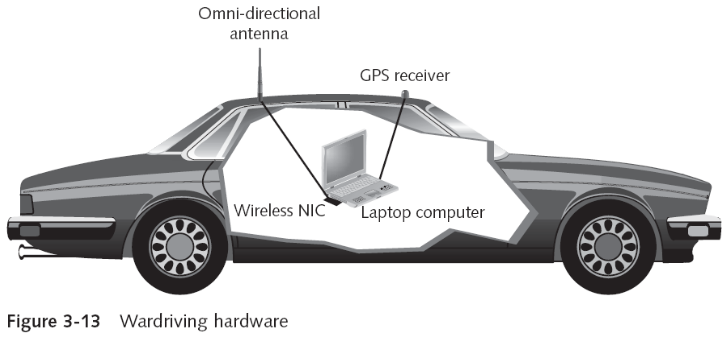
- Mobile computing devices
- Laptop computer
- Tablet computer
- Designed for truly mobile computing
- Can be operated with a stylus instead of a keyboard
- Types: convertible and slate
- Advantages
- Users can write rather than type
- Handwritten notes are immediately digitized
- Ideal for drawings, formulas, signatures, and other graphical objects
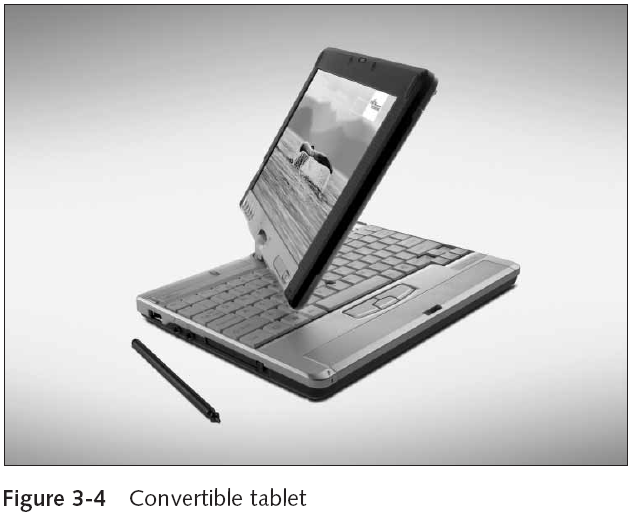
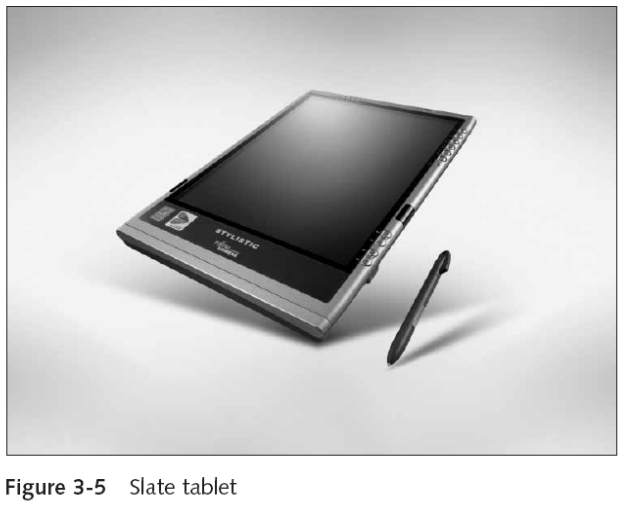
- Mobile computing devices
- Handheld PC
- Small enough to be held in a single hand
- Has many of the features of a laptop computer
- Personal digital assistant (PDA)
- Smartphones
- Combine functions of a PDA and a cellular telephone
- Handheld PC
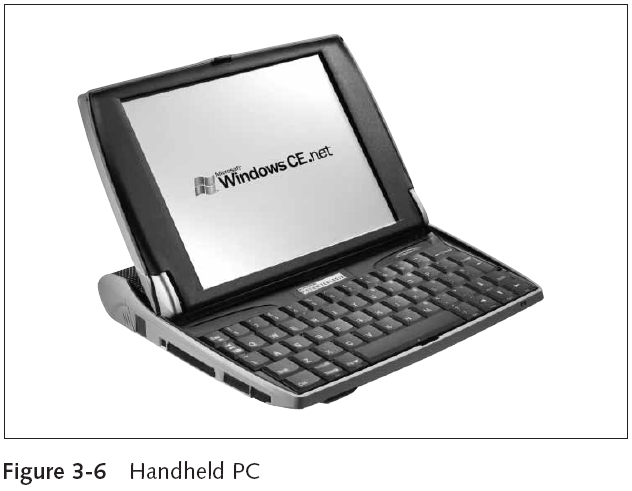
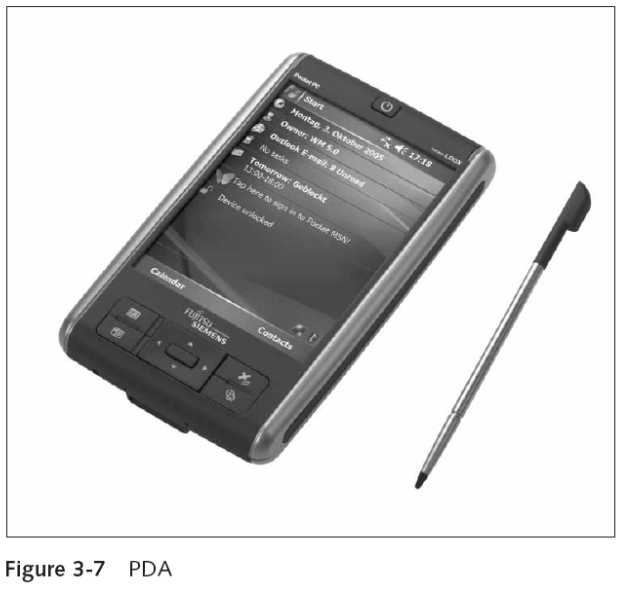
- Wireless network interface card
- Allows mobile computing device to detect a wireless signal
- Also called a wireless client network adapter
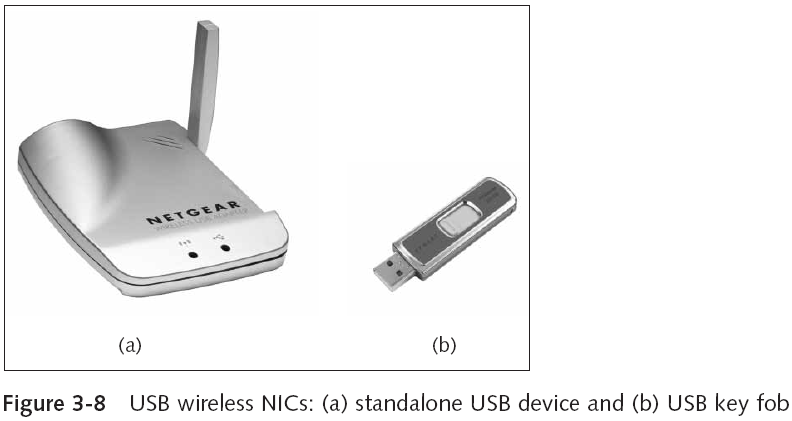
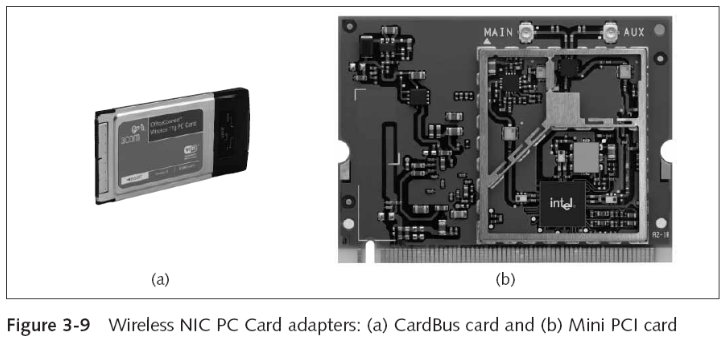
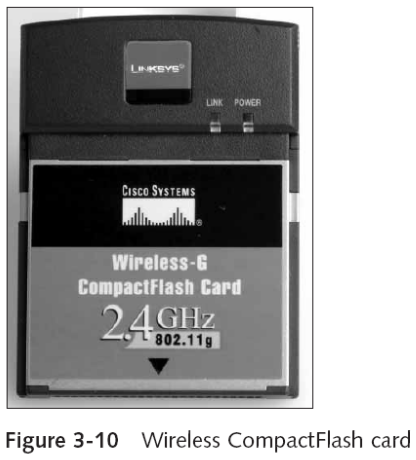
- WNICs shapes and styles
- Standalone USB
- USB Key fob
- CardBus card
- Mini PCI card
- Type II PC card
- CompactFlash (CF) card (may require an optional sled)
- Wireless network interface card
- Chipset
- Group of integrated circuits that provide the functionality of the wireless NIC
- Not all chipsets support radio frequency monitoring (RFMON)
- RFMON
- Passive method of receiving WLAN signals
- Promiscuous mode
- Allows a wired NIC to capture all the packets it receives
- Promiscuous mode will not work on a WLAN
- Chipset
- Antennas
- Attaching an external antenna will significantly increase the ability to detect a wireless signal
- Fundamental characteristics
- As the frequency increases, wavelength decreases
- This means that the size of the antenna is smaller
- As antenna gain increases, the coverage area narrows
- High-gain antennas offer longer coverage areas
- As the frequency increases, wavelength decreases
- Antennas
- Basic categories
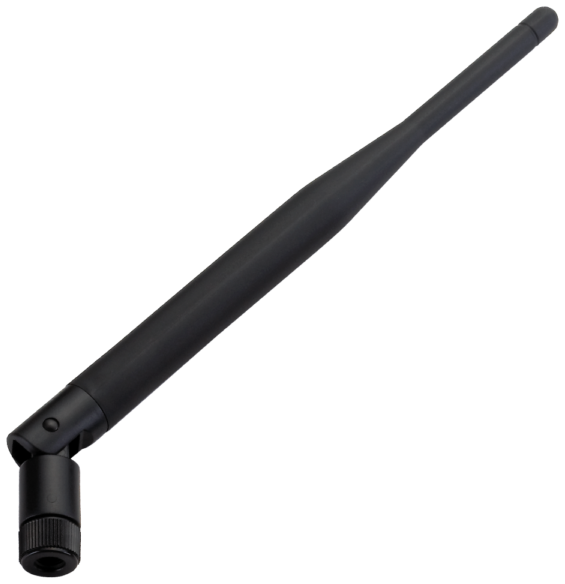
- Omni-directional
- Also called a dipole antenna
- Detects signals from all directions equally
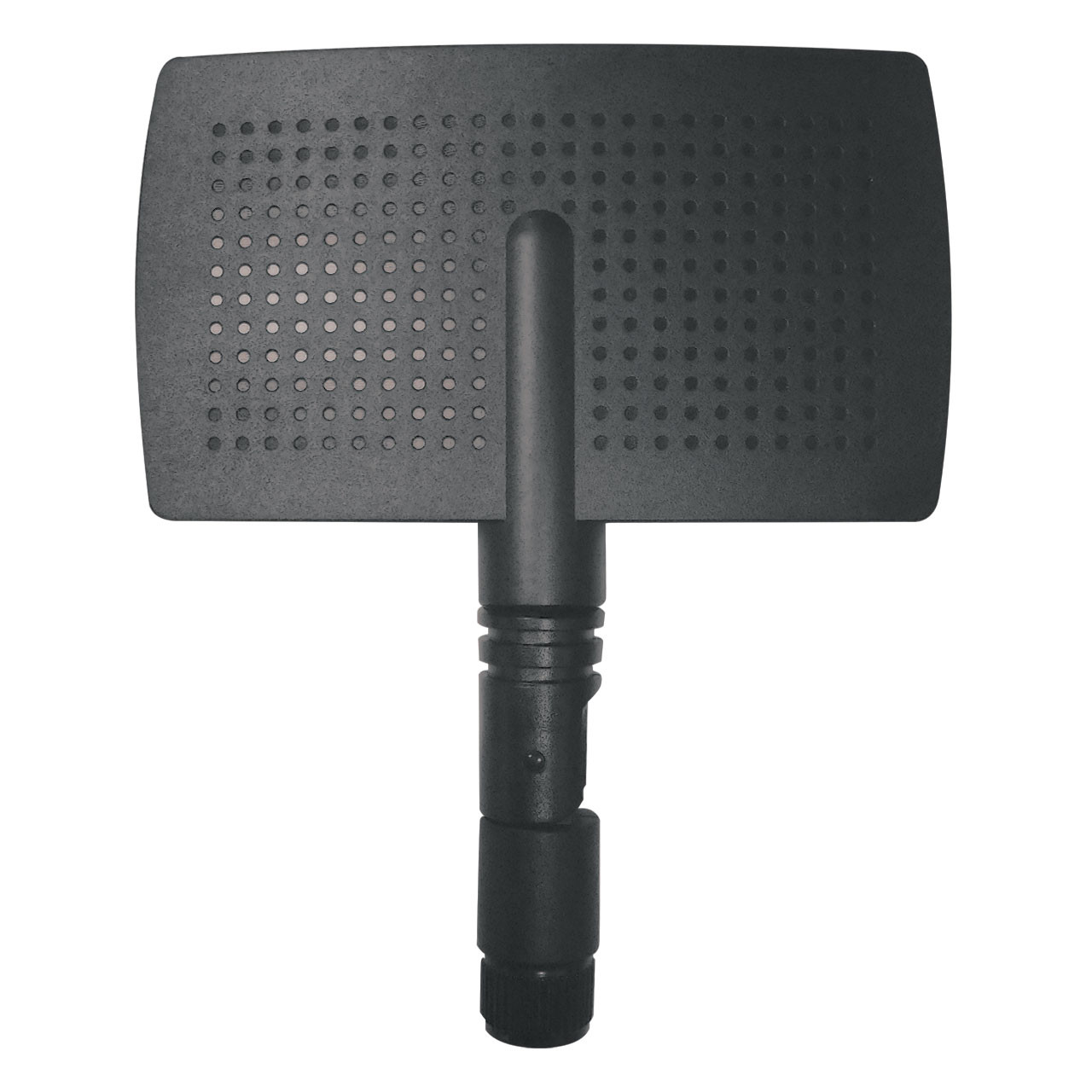
- Semi-directional
- Focuses the energy in one direction
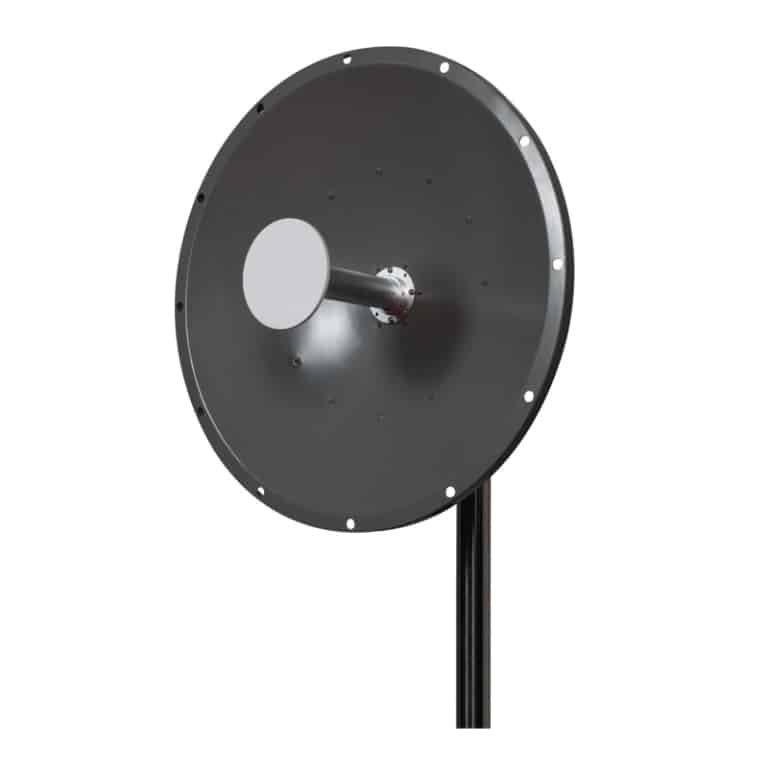
- Highly directional
- Sends a narrowly focused signal beam
- Generally concave dish-shaped devices
- Omni-directional
- Basic categories
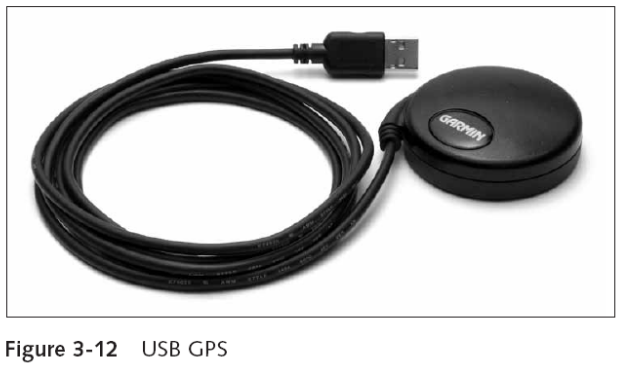
- Global Positioning System (GPS)
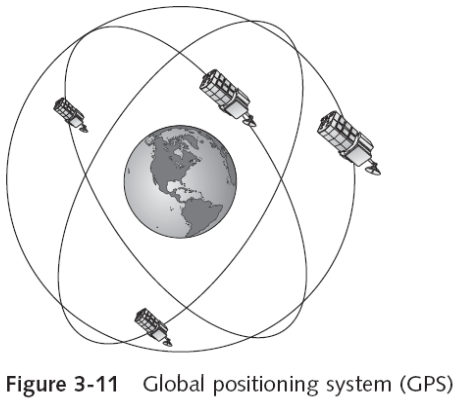
- Used to precisely identify location of a GPS receiver
- Composed of 27 earth-orbiting satellites
- Continually transmits two signals, L1 and L2
- GPS receiver measures signals from satellites
- Calculates time required for signal to travel from satellite to receiver
- GPS receiver can deduce its own location based on a mathematical principle called trilateration
- GPS device is optional when wardriving
Wardriving Softwareslides 38–46
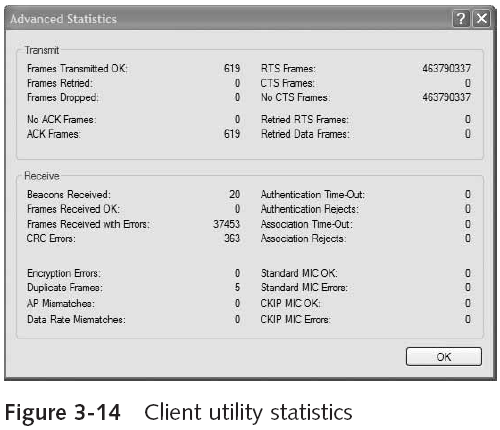
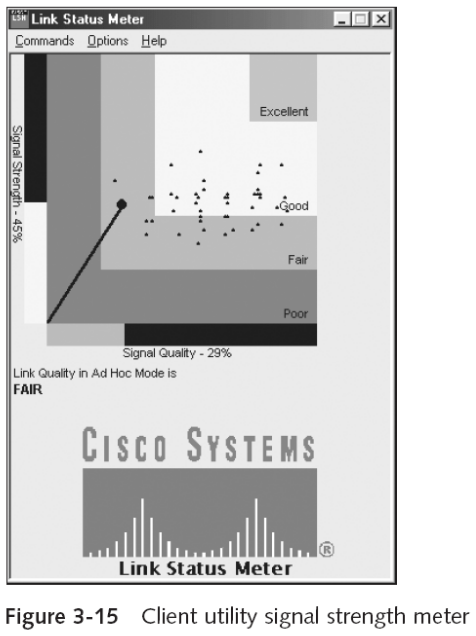
- Client utilities
- When WLANs first appeared, operating systems were not equipped to be aware of their presence
- Used to detect a wireless signal and then connect to that network
- Integrated operating system tools
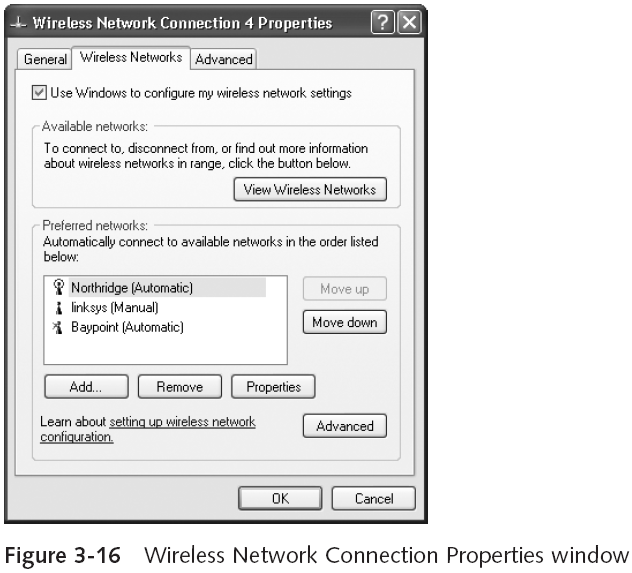
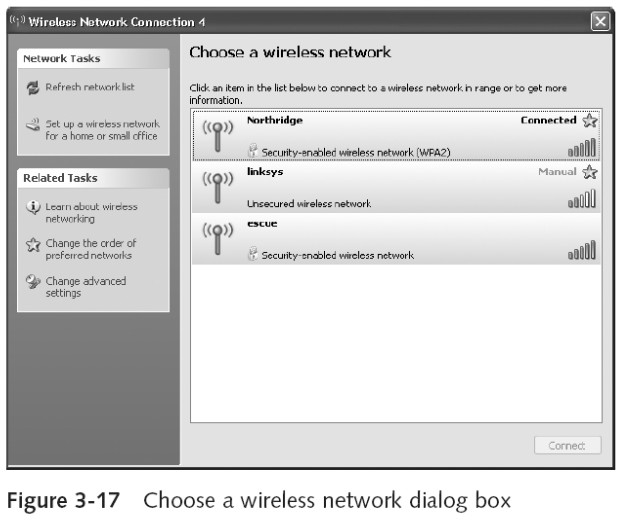
- Microsoft’s Wireless Zero Configuration (WZC)
- Tightly integrated with Windows XP Service Pack 2 (SP2) and Windows Server 2003
- Facilitates roaming between different WLANs
- Microsoft’s Wireless Zero Configuration (WZC)
- Freeware discovery applications
- Specifically designed to pick up a radio frequency WLAN signal
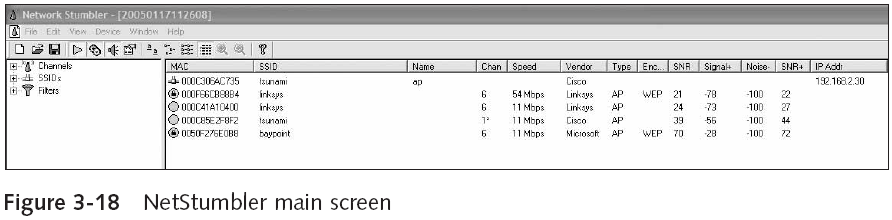
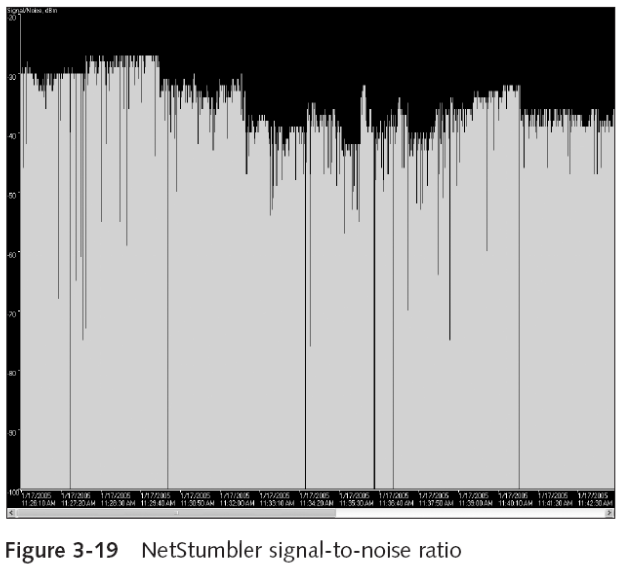
- NetStumbler
- Probably the most widely used
- Can determine an access point’s location using a GPS device to mark locations
- Cannot capture and decode wireless packets, monitor utilization, or make automatic connections
- Cannot report all types of encryption
- Such as IP Security (IPSec)
- Freeware discovery applications
- Kismet
- Runs under the Linux operating system
- Can report similar information as NetStumbler
- Also supports GPS
- Can capture packets and dump them to a file
- KisMAC
- Kismet application for Apple MacOS X
- Kismet
Public Mapping Sitesslides 47–50
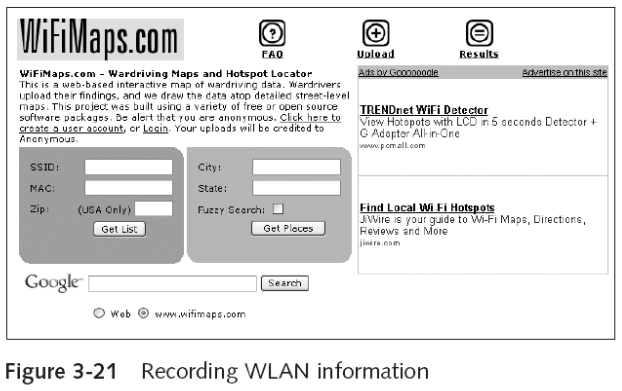
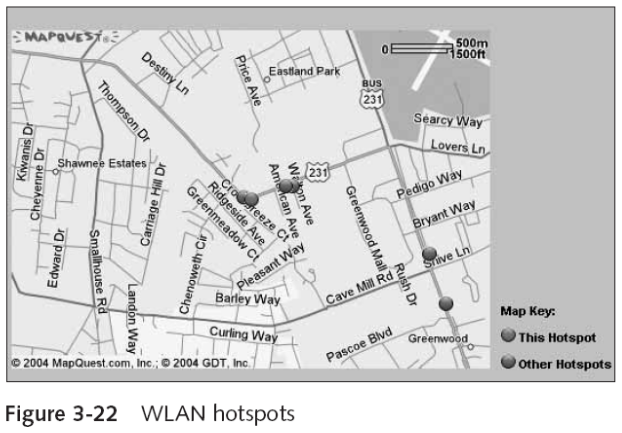
- Final step in wardriving
- Document and then advertise the location of the wireless LANs
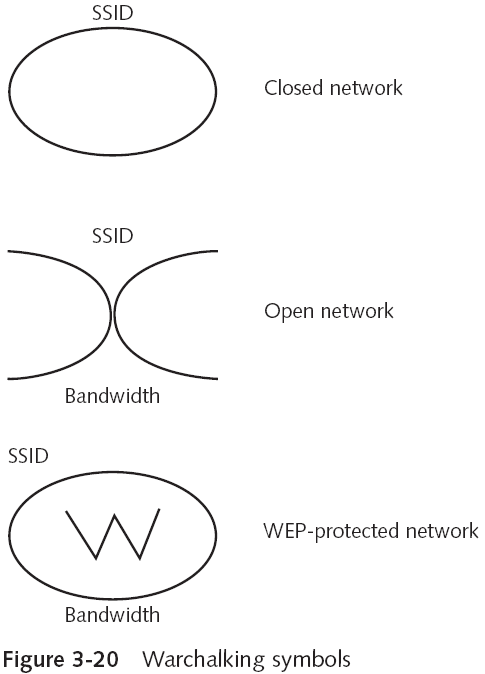
- Warchalking
- Wireless networks were identified by drawing on sidewalks or walls around the area of the network
- Has been replaced by public online databases and mapping sites
Wireless Packet Sniffersslides 51–54
- Monitoring network traffic is important to determine the health of a network
- Simple Network Management Protocol (SNMP)
- Part of the TCP/IP protocol suite
- Allows computers and network equipment to gather data about network performance
- Software agents are loaded onto each network device that will be managed
- Monitor network traffic
- Store info in a management information base (MIB)
- Simple Network Management Protocol (SNMP)
- SNMP management station
- Communicates with the software agents and collects the data stored in the MIBs
- First two versions of SNMP used community strings
- Acted like a password to allow or deny access to the information that was collected
- SNMP management station
- Packet sniffer
- Captures TCP/IP packets as they are transmitted
- Packet sniffer
- Categories based on their functions
- Counts the number of packets transmitted
- Shows general characteristics of traffic
- Provides a detailed analysis of all protocols
- Categories based on their functions
- Wireless packet sniffer
- Can capture data frames and management frames
- Wireless packet sniffer
- Helps reveal the following WLAN problems:
- An access point that is advertising its SSID when it is intended to be turned off
- An access point with encryption disabled
- A wireless client that is sending a high rate of low-speed packets
- An access point that is transmitting an excessive number of beacon frames
- Helps reveal the following WLAN problems:
Quick review questions
- Explain how security information can be gathered by social engineering, phishing, and other techniques?
- Explain the process of wardriving WLAN.
- List the set of hardware and software used for wardriving
- Explain how a packet sniffer can be used in a WLAN
Summary of main teaching points
- General information gathering relies on deception and digging to obtain information about networks
- Social engineering relies on deceiving someone to access a system
- Wireless location mapping, or wardriving, refers to passive wireless discovery
- Finding a WLAN signal and recording information about it
- Wardriving software
- Integrated operating system tools
- Wardriving software
- Client utilities
- Freeware discovery applications
- Wireless packet sniffers
- Play an important role in analyzing network traffic and identifying problems
- Can capture data frames and management frames
- Can also be used by attackers to capture unencrypted packets and view their contents
Social Engineeringslide 6